Attorney Portrait Truck Accidents

The Truck Accident Claim Process in California: What to Expect and How to Protect Your Rights

| Read Time: 5 minutes

If you have been involved in a truck accident in California, you may already know how overwhelming the aftermath can feel. Commercial truck collisions often result in serious injuries, significant property damage, and complicated insurance disputes. Trucking companies and their insurers respond quickly to protect their financial interests, which can make the claim process confusing and difficult for injured victims. Understanding the truck accident claim process can help you protect your rights and avoid mistakes that could harm your case. Many accident victims also want to know how trucking company accident policies work and what type of truck accident claim assistance they can receive from an attorney. This guide explains how truck accident claims work in California, what the trucking company may do after a collision, what steps you must take to protect your claim, and how an attorney can help you pursue maximum compensation. Why Truck Accident Claims Are More Complicated Than Car Accident Claims Truck accident cases are very different from standard car accident cases. Commercial trucks are regulated by state and federal laws, and more than one party may be responsible for causing the crash. Large trucking companies also have powerful legal teams and insurance adjusters whose goal is to reduce payouts. Here are some of the reasons why the truck accident claim process is more complex: Because of these factors, it is important to understand what happens after a truck accident and how to protect your claim as early as possible. How the Trucking Company Responds After an Accident Trucking companies often have detailed accident response policies that begin the moment a crash is reported. These policies help the company limit liability and prepare a strong defense before the injured party even files a claim. A trucking company accident policy may include: The trucking company’s priority is to avoid responsibility. Victims should not rely on the trucking company to accurately document the crash or fairly evaluate a claim. This is why speaking with an attorney early in the process is essential. What Victims Should Do After a Truck Accident If you are able to do so at the scene, take the following steps to protect your case: If you are too injured to collect evidence, ask a family member or friend to help. Evidence from the scene of a truck accident can be extremely valuable. Understanding the Truck Accident Claim Process The timeline and steps involved in a truck accident claim can vary, but most claims follow a similar process. Below is a detailed overview of what to expect. Step 1: Investigation of the Accident Your attorney will conduct a thorough investigation to determine how the crash occurred and who is responsible. This may include: This step is crucial because liability in truck accidents often extends beyond the truck driver. The trucking company, contractors, cargo loaders, mechanics, or equipment manufacturers may also be responsible. Step 2: Identifying All Liable Parties Some of the parties that may be responsible for your injuries include: Each liable party may have separate insurance policies. Identifying these parties is key to recovering full compensation. Step 3: Evaluating Your Damages Truck accident victims often suffer severe injuries that require long-term medical treatment. Your attorney will calculate the total value of your damages, which may include: Accurate valuation ensures you do not accept a settlement that is lower than what you need. Step 4: Filing an Insurance Claim Your attorney will file claims with all responsible insurance companies. This involves sending a demand package that outlines: Once the insurance companies receive the demand, they may request additional documents or statements. Your attorney will communicate on your behalf to protect you from harmful questioning. Step 5: Negotiating a Settlement Insurance companies often begin with low offers and hope the victim will settle quickly. Your attorney will negotiate for a fair amount that reflects the full impact of your injuries. Most truck accident claims settle out of court, which allows victims to receive payment sooner. Step 6: Filing a Lawsuit if Necessary If the insurance company refuses to offer a fair settlement, your attorney may need to file a lawsuit. This does not mean your case will go to trial. Most cases still settle after lawsuits are filed. However, a lawsuit gives your attorney access to discovery, which allows them to collect evidence the insurance company may have withheld. Step 7: Trial If negotiations fail, your case may go to trial. A judge or jury will hear the evidence and decide who is responsible and how much compensation you should receive. Trials are rare, but your attorney will prepare your case as if it will go to court to strengthen your position during negotiations. What to Expect From Insurance Companies Insurance companies are known for defending truck accident claims aggressively. They may try to: This is why many victims seek truck accident claim assistance from an experienced attorney who understands how these companies operate. How an Attorney Helps With the Truck Accident Claim Process Working with a California truck accident lawyer can make the process much easier. An attorney can help you by: With legal support, you can focus on healing while your attorney handles the complex parts of your case. Get Help with the Truck Accident Claim Process in California The truck accident claim process in California can feel intimidating, especially when multiple parties and large insurance companies are involved. Understanding how trucking company accident policies work and knowing what steps to take after a crash can make a major difference in your case. The Beliz Law Firm provides dedicated truck accident claim assistance to injured victims throughout California. We help you stand up to trucking companies, gather the evidence needed to prove liability, and pursue the full compensation you deserve. Contact The Beliz Law Firm today for a free consultation and learn how we can help with your California truck accident claim.

Continue Reading

Attorney Portrait Car Accidents

Delayed Pain After a Car Accident in California

| Read Time: 4 minutes

Many people walk away from a crash thinking they are fine, only to notice discomfort, stiffness, or other problems hours or even days later. This experience is common, and the law does recognize that delayed pain after an accident can still be related to the crash. When symptoms do not appear immediately, it can create stress and confusion about what steps to take next. Understanding why pain may be delayed and how it affects a possible injury claim can help make the process easier. Why Pain Can Be Delayed After a Crash Not every injury shows up right away because the body often reacts to an impact with adrenaline and other stress hormones. These chemicals are meant to help someone get through a frightening event. They can also mask pain, making it seem as though the body is unharmed when, in reality, an injury has already started. Muscle strains, soft-tissue injuries, inflammation, and nerve damage can progress slowly. It is also common for stiffness or soreness to develop overnight or the next morning. Because these injuries are internal and not always visible, it may take time for symptoms to become apparent. Delayed Symptoms After a Car Accident Pain that develops over time can manifest in various ways. Some people notice soreness in the neck, shoulders, or back. Others may experience headaches, dizziness, numbness, or changes in sleep. These issues may appear gradually. At first, symptoms may feel mild, but they can worsen over the next several days. Although these feelings are common, medical attention should still be sought. A doctor can help determine the cause of the symptoms and whether they are connected to your crash. Medical records also help document the injury. This record can be important later if you need to make an insurance claim. Is Delayed Pain Legally Significant? Delayed pain can affect a personal injury claim in several ways. When pain is delayed, insurance companies may try to argue that it is not related to the accident. This is why seeing a doctor quickly is helpful, even if the pain seems mild at first. California law does not require that an injury show up immediately to be part of a claim. In California, an injured person generally has two years from the date of the accident to file a personal injury claim. This deadline applies even if symptoms were delayed. A claim may still be valid as long as it is filed within the statute of limitations. Delayed Injuries After a Car Accident Some of the most common injuries from car accidents can show up later, including soft-tissue injuries, sprains, strains, and whiplash-type injuries. These injuries may not have clear signs in the first few hours. Swelling and inflammation may build over time, leading to a slow onset of discomfort. A delayed injury does not make a claim weaker on its own. The key is to document symptoms early and follow medical advice. Treatment plans, doctor notes, and imaging studies can all help show how the injury developed after the crash. Lower Back Pain Delayed lower back pain after a car accident is one of the most frequent issues victims suffer. When lower back pain is delayed, it may be caused by a soft-tissue injury, a disc problem, or a muscle strain. These conditions sometimes take time to appear because inflammation may spread slowly. Even mild symptoms should be checked to allow a doctor to rule out serious problems and create a treatment plan. Neck Pain Delayed neck pain after a car accident is also common. When delayed neck pain develops, it may be associated with the sudden back-and-forth movement the body experiences during a crash. This movement can strain muscles and ligaments in the neck. People may first feel tightness and then develop sharper pain hours or days later. Because neck injuries can significantly impact mobility, prompt medical care is crucial. Shock Symptoms Some people experience emotional or physical shock after a crash. Shock symptoms may include confusion, anxiety, mood changes, or sleep problems. These delayed shock symptoms after an accident can appear later because the mind and body are still processing a stressful event. Emotional distress may also be part of an injury claim in California. Documentation from a doctor or mental health professional can help demonstrate the impact of the crash. Why Documentation Matters Insurance companies often review medical records, photographs, and statements when determining whether an injury is related to an accident. Documentation plays a large role in this review. When pain is delayed, be sure to: These simple steps can help create a clear record of the injury. This record often becomes vital during the claims process. How a Lawyer Helps Navigate Delayed Pain After an Accident  Working with a California car accident lawyer can help individuals understand how delayed symptoms impact their claim. A lawyer can communicate with the insurance company, gather medical records, and explain how California law applies. Legal terms such as “causation,” “damages,” or “statute of limitations” may feel overwhelming. A lawyer can help explain these terms in plain language, making the process easier to understand. A lawyer can also help prevent common problems that arise when symptoms appear later. Insurance companies sometimes argue that delayed symptoms are not related to the crash. A lawyer can collect evidence to show how the injury developed and why delayed symptoms are normal in many cases. Taking the Next Step Toward Healing If someone notices delayed pain after an accident, medical care should be the first step. Even minor pain can be a sign of a more serious condition. After consulting a doctor, speaking with a personal injury lawyer can help protect your legal rights and understand the available options. Delayed pain does not mean a claim is less valid. It simply means the injury took time to appear, and California law allows for that. Beliz Law Firm has worked with many people who experienced symptoms long after the crash. We can help answer questions about delayed symptoms, medical care,...

Continue Reading

Attorney Portrait Car Accidents

What to Do After a Hit and Run Accident

| Read Time: 4 minutes

Being left at the scene after a driver speeds off can be a confusing and stressful experience. Many people are unsure about what to do after a hit and run, especially when injuries or car damage are involved. In California, the law requires all drivers to stop after a collision, exchange information, and provide help if someone is hurt. When this does not happen, the situation becomes both a safety issue and a legal matter. Knowing the right steps early on can help protect your health, your rights, and any potential claims that may arise. Below is general guidance to help victims understand what usually happens in these cases. Every situation is unique, so legal advice from a California car accident lawyer should be tailored to the specific facts of the accident. What to Do After a Hit and Run Accident: First Steps for Your Safety A hit and run accident occurs when a driver leaves the scene without stopping to identify themselves or check for injuries. The moments after a collision can feel rushed, but slowing down and taking a few practical steps can prevent further harm. These steps also help create a record of what happened, which can be important later. If you’re trying to understand what to do after a hit and run, this quick guide may help.  1. Move to a Safe Location If Possible Staying in the middle of traffic can increase the risk of a second collision. If the vehicle is operable, moving to the shoulder, a parking lot, or another safe space can help avoid further danger. 2. Check for Injuries Injury symptoms are not always immediate. Pain, dizziness, shortness of breath, or numbness can appear over time. Contact emergency services whenever there are visible injuries, pain, or uncertainty about someone’s condition. 3. Call 911 Requesting a police response will document the accident and allow medical personnel to check for injuries. This call also creates the first official record of the hit and run, which can be necessary for insurance purposes. 4. Avoid Chasing the Fleeing Driver It can be tempting to follow the vehicle, but this can increase the danger. Law enforcement can handle the investigation using tools and resources such as traffic cameras or witness statements. 5. Observe and Document When possible, noticing the vehicle’s color, shape, or direction of travel can be helpful. Even one detail may assist officers later, but no one should put themselves in harm’s way to gather information. Preserving Evidence People often say that what to do when involved in a hit and run is not always clear because everything happens quickly. That is certainly true to a degree, which is why preserving evidence once the scene is stabilized is essential. Photos of vehicle damage, the roadway, debris, skid marks, or surrounding buildings may help piece together what occurred. When witnesses are present, asking for their contact information before they leave can be helpful. Many hit and run cases are resolved because a witness noticed a license plate, a bumper color, or a detail the victim did not see. Medical records serve as evidence of injuries. Even if pain develops later, the initial medical visit creates a record that establishes a connection to the collision. This is important because insurers often question delays in treatment. “I Was Involved in a Hit and Run”: Understanding the Legal Side Someone asking, “I was involved in a hit and run, what do I do?” is usually trying to understand how fault is proven if the driver is not located. Fortunately, California law does not require the victim to identify the other driver. Instead, police can use available evidence, witness statements, and, in some cases, video footage to investigate. California Vehicle Code makes it a crime to leave the scene of an injury or fatal crash and allows police to investigate the fleeing driver. Many departments now utilize traffic cameras or surveillance footage from nearby businesses during these investigations. If the driver cannot be located, an insurance claim likely involves uninsured motorist (UM) coverage. This coverage can help cover medical bills, lost wages, and property damage. Insurance companies often require proof that the crash was a hit and run incident, which is why a timely police report is crucial. California Hit and Run Laws Explained Understanding California hit and run laws can help victims know what to expect. These laws outline a driver’s duties following a crash and the penalties for failing to leave the scene. A hit and run is a violation of California Vehicle Code sections 20001 (injury or death) and 20002 (property damage). These laws exist to ensure that people involved in crashes are not left without help or basic information. Additionally, Vehicle Code section 16025 requires drivers to exchange insurance and contact information. Knowing how to report a hit and run in California can also help protect your claim. California law requires that accidents involving injuries or death be reported to the police within 24 hours. However, reporting sooner is usually better. What to Do After a Hit and Run: Next Steps for Your Claim Many people search for what to do after a hit and run because they are unsure what happens once the immediate emergency is over. Depending on the circumstances, several next steps may help protect a claim: Taking these steps helps keep everyone safe and ensures proper documentation for the medical and legal processes that may follow. Why Contacting an Attorney Can Help Hit and run cases can become complicated when the driver is not identified. Insurance companies may challenge liability or request additional proof. Legal issues can also come up when dealing with UM coverage or evidence gaps. An attorney familiar with these cases can help explain the process in clear terms and guide victims through each step. Beliz Law Firm has helped many people navigate accident claims under California law. The goal is to make the process easier to understand and ensure that the victim’s rights are protected. Contact us...

Continue Reading

Attorney Portrait Category Name

Average Settlement for a Child in a Car Accident

| Read Time: 4 minutes

When a child is hurt in a crash, parents often want to know what financial recovery may look like. The average settlement for a child in a car accident is not easy to pin down because each situation is different. Injuries vary, treatment varies, and the long-term effects for a child are never the same from one case to the next. Still, it is helpful to understand the factors that typically influence settlement value and how claims for minors are handled in California. This guide explains how compensation for a child is determined, the process involved, and what parents can expect as they move forward. If you have questions, please contact our Long Beach, California car accident lawyers right away. How a Car Accident Settlement for a Child Works A car accident settlement for a child follows many of the same rules as adult personal injury claims, but California adds extra protections when minors are involved. For instance, a settlement for a minor must be reviewed and approved by a court. The purpose is to make sure the child’s best interests are protected and that the settlement is fair. Due to this extra oversight, the process tends to take longer. Court approval, structured settlements, and restricted accounts may be required. These rules can feel complex, but they exist to safeguard the child’s future compensation. Average Settlement for a Child in a Car Accident: What to Know Parents often look for precise numbers. However, California law does not set a standard payout, and there is no published statewide average. Settlement amounts vary widely because the impact of an injury on a child can be unpredictable. Children may heal quickly in some cases, while in others, a minor injury may turn into a long-term problem as the child grows. For these reasons, the average settlement for a child in a car accident is determined by specific factors in each case. It is better to consider what influences settlement value rather than relying on fixed averages. Common Factors That Affect a Child Accident Claim A child accident claim is affected by many of the same elements found in adult cases, but children often require closer medical evaluation. Settlement value may be influenced by: These factors are evaluated together. The final settlement is intended to reflect what the child has experienced and what may still be required as they grow. Understanding Child Injuries in a Car Accident Many different types of child injuries can occur in a car accident, even in what appears to be a minor crash. Children are still developing, and their bones, muscles, and minds respond differently from adults. Injuries might include soft-tissue injuries, fractures, concussions, or injuries from seat belts or airbags. Some injuries are spotted right away. Others may take time to appear. Pediatricians often recommend monitoring a child for several days after a collision, as symptoms can develop gradually. This is one reason why medical records play an important part in the settlement process. Pain and Suffering for a Child in a Car Accident Compensation for pain and suffering for a child in a car accident claim can be complex. California does not place a fixed dollar amount on pain and suffering. Instead, the value is based on how the injury has affected the child’s daily life and emotional well-being. For example, a child may struggle with sleep, become fearful of riding in a car, or have difficulty returning to normal activities. Even if the outward injuries heal, the emotional effects may continue. These elements are considered when building the settlement demand. How a Car Accident Claim for a Child Is Processed A car accident claim for a child follows a multi-step process. Parents often find comfort in understanding how this works from start to finish. While every case is slightly different, certain steps are generally followed in California. Each is meant to ensure the child’s rights are protected and that the settlement is supported by strong evidence. The typical process includes: This entire process can take time. California courts want to make sure any settlement is appropriate for the child’s long-term interests. Why These Settlements Take Time Parents often wonder why child settlements move more slowly than adult claims. The reason is oversight. Because minors cannot make legal decisions on their own, courts, parents, and attorneys must work together to ensure the outcome is both safe and fair. The court approval process under California law adds an important safety net. While it may take longer, these rules are designed to protect the child’s financial future. How Beliz Law Firm Helps Families Moving Forward A child’s injury can bring stress, confusion, and uncertainty. The legal process may feel overwhelming, especially when court approval is involved. Beliz Law Firm guides parents through each step, explains the legal terms, and helps build a strong claim supported by medical evidence and California law. Speak with Beliz Law Firm Today If your child was injured in a crash, help is available. Settlements cannot erase what happened, but they can help cover medical expenses, support recovery, and provide financial security for the child’s future. Understanding the average settlement for a child in a car accident starts with knowing how injuries affect a child and what protections California law provides. Beliz Law Firm can explain your options, review the facts, and assist you throughout the entire process, ensuring your child’s rights are protected. Contact us right away to get started.

Continue Reading

Attorney Portrait Car Accidents

What to Do in an Accident with an Uninsured Driver in CA

| Read Time: 4 minutes

Being struck by a driver who does not carry auto insurance can leave someone unsure of their next steps. The situation can feel confusing because you cannot follow the normal process of exchanging insurance information. When learning what to do in an accident with an uninsured driver, it is helpful to understand that California law still provides a process for gathering information, protecting health, and initiating an insurance claim. The steps are meant to help keep things simple while also protecting someone’s legal rights. Below, our Long Beach, California car accident lawyers go over those steps. If you have any questions, please contact us today. Understanding What Happens to Uninsured Drivers in an Accident Many people wonder about the rules that apply when an at-fault driver is uninsured. Under California law, drivers are required to maintain financial responsibility, typically by carrying auto liability insurance. When insurance is not in place, the driver can face fines and may have their registration suspended. These penalties do not resolve the injured person’s claim, but they help explain what happens to uninsured drivers in an accident from a legal standpoint. Before reviewing the steps to take, it is helpful to know that compensation usually comes from two sources when the at-fault driver is uninsured: the injured person’s own uninsured motorist coverage or, in some cases, the at-fault driver’s personal assets. An attorney can help explain what is possible, but expectations should remain reasonable, as every case is unique. What to Do in an Accident with an Uninsured Driver Knowing what to do in the event of an accident with an uninsured driver helps make the situation less stressful. These steps do not guarantee a specific outcome, but they help protect the injured person’s rights and strengthen their claim. Step 1: Ensure Safety and Call Law Enforcement The first priority should always be safety. Vehicles should be moved to a safe area when it can be done without causing further harm. Call emergency services by dialing 911 if there are injuries or if the vehicles are blocking traffic. Law enforcement should respond to the scene when an uninsured driver is involved, allowing an officer to prepare a police report. This report is important because it records how the collision occurred, lists the names of the people involved, and notes whether the at-fault driver admitted to having no insurance. These details can help when starting an uninsured motorist claim later. Even when injuries feel minor, waiting for the officer can help protect the record of what happened. Step 2: Exchange Information and Document the Scene Although there may not be insurance information to exchange with the uninsured driver, other relevant information can still be gathered, such as their name, address, phone number, and driver’s license details. Also, take photos of both vehicles, the roadway, and any visible injuries. The goal is simply to create a clear record. Gather information from witnesses if any are present. Even a short statement from someone who saw the crash can help support how the collision occurred. These steps help make the claim process smoother. Step 3: Seek Medical Care Promptly Accident victims should seek medical attention after any collision. Some injuries do not present immediately because adrenaline can mask symptoms. A doctor can examine injuries, document them, and demonstrate a link to the accident. Medical care is essential not only for health but also for the insurance process. Delaying treatment allows an insurance company to question the cause of the injuries. Going to a doctor early helps avoid that problem. Step 4: Notify Your Insurance Company Notify your insurance company as soon as possible after the collision. When the at-fault driver has no insurance, the claim typically proceeds under the injured party’s uninsured motorist coverage, commonly called “UM coverage.” It is usually part of a standard auto insurance policy unless it was rejected in writing. The insurance company may ask for the police report, photos, and medical records. It is essential to answer questions truthfully, but refrain from guessing or speculating about facts that are unclear. Step 5: Start an Uninsured Motorist Claim An uninsured motorist claim is a claim made with the injured person’s own insurance company. The coverage steps into the place of the at-fault driver’s liability insurance. Payments may be available for medical bills, lost earnings, and vehicle repairs, depending on the policy limits. The purpose of UM coverage is to provide financial protection when the at-fault driver did not follow the law and did not carry insurance. It is essential to maintain reasonable expectations. Insurance companies investigate UM claims just as they would any other claim, including fault, medical treatment, and the nature of the injuries. The process may take some time. Having the proper documents ready can help things move smoothly. Step 6: Consider Contacting an Uninsured Motorist Accident Lawyer Talking with an uninsured motorist accident lawyer can be helpful when you have questions about coverage, damages, or the claims process. A lawyer can explain legal terms that appear in the policy, such as “arbitration,” which is sometimes used for UM claims. The goal is to make the process easier to understand and to help the injured person focus on healing. When an at-fault driver does not have insurance, the injured person may be unsure about where and how to obtain compensation. An attorney can explain the coverage that applies, outline the possible outcomes, and help keep expectations reasonable by focusing only on what the law allows. Step 7: Understand When an Uninsured Car Accident Lawyer May Assist An uninsured car accident lawyer can help review insurance policies, determine applicable coverage, and manage communication with the insurance company. This assistance can be helpful because the process can feel overwhelming, especially when dealing with injuries. The attorney’s role is to guide the claim process, explain the legal requirements, and ensure that deadlines are met. Talk with The Beliz Law Firm for Guidance Beliz Law Firm has helped many people understand the rules and processes that apply...

Continue Reading

Attorney Portrait Car Accidents

What Time of Day Do Most Car Accidents Happen in Long Beach?

| Read Time: 6 minutes

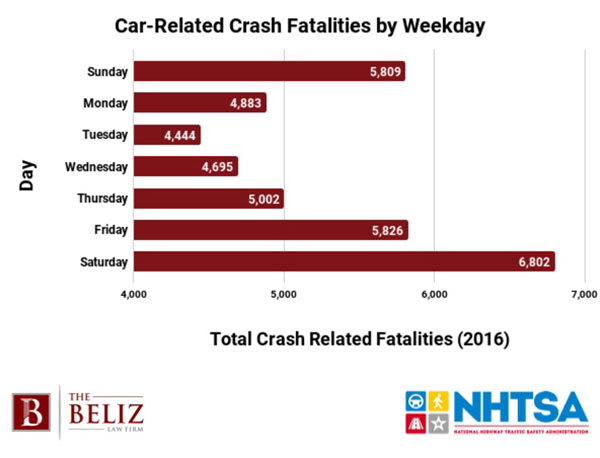
Were you just involved in a car accident at night or during the early hours of the day? Our Long Beach car accident lawyers are here to help. Free Consultation If you were injured in a car crash in Long Beach during your morning commute, while driving home from work, or late at night, you may be wondering whether the time of day contributed to the accident. While collisions can happen anywhere in Long Beach at any hour, certain periods consistently pose greater risks due to heavier traffic, reduced visibility, and driver behavior. Understanding the riskiest times to drive can help explain why crashes occur and why another driver’s negligence may still be responsible. What Time of Day Do Most Car Accidents Happen in Long Beach? When it comes to fatal accidents across the country, the National Safety Council says most deadly collisions occur on weekends, especially on Saturday. The worst time of day for fatalities is between 4 PM and midnight. However, during the summer months, the peak is between 8 PM and 11:59 PM.  Although traffic patterns alone do not determine fault, they often help explain the circumstances surrounding a collision. Below, we’ll look at the times of day that tend to produce more crashes, why those crashes happen, and what you should know if you’ve been injured. Afternoon Rush Hour is Typically the Most Dangerous Time to Drive in Long Beach For most drivers in Long Beach, the afternoon commute poses the greatest risk of a collision. As people leave work, traffic volumes increase dramatically, creating busy roads and frequent stop-and-go conditions. Rush hour accidents commonly involve: Long Beach drivers experience these conditions every weekday on major roadways, including Interstate 405, Interstate 710, Pacific Coast Highway, Lakewood Boulevard, and Bellflower Boulevard. East Anaheim near Cherry is one of the deadliest areas for pedestrians, according to recent analyses.  Heavy traffic itself does not cause accidents. Instead, driver behavior often changes when roads become crowded. Frustration, impatience, and distractions can all increase the likelihood of a collision. Why Evening Car Accidents Can Be More Severe in Long Beach Although afternoon rush hour produces a high number of crashes, collisions that occur later in the evening are often more serious. Once the sun goes down, drivers face additional challenges. Reduced visibility makes it more difficult to judge distance, recognize hazards, and spot pedestrians or cyclists. Fatigue also begins to affect reaction time after a long day at work. Nighttime crashes may also involve impaired drivers, particularly on weekends or after sporting events, concerts, or evenings out. While traffic volume is often lower than during rush hour, vehicles frequently travel at higher speeds on less congested roads, increasing the severity of collisions when they occur. In Long Beach, these risks can be greater around entertainment districts, waterfront attractions, and major roads connecting the city to neighboring communities. Morning Commutes in Long Beach Are Busy but Often More Predictable Morning traffic can certainly be frustrating, but it does not always produce as many serious collisions as those seen later in the day. Many commuters follow the same route every morning, creating more predictable traffic patterns. Drivers also tend to be more alert after a night’s rest, and alcohol-related crashes are far less common during the early morning hours. That does not mean morning driving is risk-free. Congestion, school traffic, and distracted driving still contribute to many crashes. However, compared to evening travel, drivers are generally less fatigued and more focused on the road ahead. Weekends Present Different Driving Risks in Long Beach Traffic patterns change considerably on weekends. Rather than commuter traffic, Long Beach sees increased recreational travel as people visit beaches, restaurants, shopping areas, and entertainment venues. Many residents and visitors also travel through the city on their way to other destinations throughout Southern California. Weekend crashes may often be associated with: Holiday weekends can present additional risks because more vehicles are on the road, increasing the likelihood of congestion and driver frustration. Why Certain Roads in Long Beach See More Accidents Some roads naturally experience more crashes because they carry higher traffic volumes throughout the day. Interstate 405 and Interstate 710 are heavily traveled commuter routes that also serve commercial traffic moving to and from the Port of Long Beach. Drivers regularly encounter merging vehicles, lane changes, and sudden slowdowns. Pacific Coast Highway carries a mix of local traffic, tourists, cyclists, and pedestrians, requiring drivers to remain alert for changing traffic conditions. Major surface streets, including Lakewood Boulevard, Bellflower Boulevard, East Anaheim Street, Carson Street, and Long Beach Boulevard, also experience frequent congestion at busy intersections, where left-turn and rear-end collisions are common. While these roads are busier than many others, many crashes are ultimately the result of driver negligence rather than the road itself. You Can’t Control Traffic, but You Can Reduce Your Risk in Long Beach No driver can eliminate the risk of being involved in an accident, especially during peak travel times. However, defensive driving can reduce the chances of a collision. Leaving additional following distance gives you more time to react when traffic suddenly slows. Limiting distractions, avoiding aggressive lane changes, and anticipating other drivers’ actions can also improve safety. If you’re driving after dark, reducing speed and remaining alert for pedestrians, cyclists, and impaired drivers becomes even more important. These simple precautions cannot prevent every accident, but they can reduce your exposure to many of the situations that commonly lead to crashes. What Should You Do After a Long Beach Rush Hour Accident? Whether your accident happened during rush hour, late at night, or early in the morning, the steps you take afterward can affect both your health and any future insurance claim. Seek medical attention as soon as possible, even if your injuries initially seem minor. Some injuries may not become apparent until hours or days after the collision. If you are able, photograph the vehicles, roadway, traffic signals, and any visible injuries. Obtain contact information from witnesses and report the accident to law...

Continue Reading

Attorney Portrait Car Accidents

California Seatbelt Law: Legal Requirements and Penalties

| Read Time: 5 minutes

Have questions about the seat belt law in California? Our Long Beach car accident lawyers are here to help. Free Consultation Wearing a seat belt is one of the simplest ways to reduce the risk of serious injury in a car accident. That’s why the California seat belt law requires nearly every driver and passenger to buckle up before a vehicle is driven on a public road. For most people, the law is straightforward: wear your seat belt or risk a citation. But seat belt use can also become an important issue after a crash. Insurance companies sometimes argue that failing to wear a seat belt worsens an injury, even if another driver caused the accident. Whether you’re trying to understand the seat belt law in California, wondering what the cost of a ticket is, or have questions about how the law affects an injury claim, here’s everything you should know. Who Must Wear a Seat Belt Under California Law? California law requires drivers and passengers to wear properly fastened seat belts while a vehicle is in operation.  In most situations, the law applies to: The requirement applies whether you’re driving your own vehicle or riding in someone else’s. It also extends to taxis and many rideshare vehicles when seat belts are provided. The law requires more than simply having a seat belt available. It must be worn correctly, with the lap belt positioned across the hips and the shoulder belt crossing the center of the chest. Wearing the shoulder belt behind your back or placing the lap belt across your stomach reduces its effectiveness and may not satisfy the legal requirement. Vehicle owners are also responsible for ensuring seat belts function properly. A damaged or inoperable restraint system can create both safety concerns and legal issues. California Seat Belt Law for Kids Children are subject to different restraint requirements because adult seat belts are designed for larger bodies. A properly fitted child restraint significantly reduces the risk of serious injury during a collision. The California seat belt law for kids generally requires: Under current California law, children who are at least eight years old or at least 4 feet 9 inches tall may use a properly fitting seat belt. Parents often ask when it’s appropriate to move a child from a five-point harness to a booster seat. While California law establishes minimum requirements, safety experts generally recommend keeping children in a forward-facing seat with a five-point harness until they reach the manufacturer’s height or weight limits. Once a child outgrows the harness, a properly fitted booster seat helps position the vehicle’s seat belt correctly across the hips and chest. Upcoming Changes to California’s Child Seat Belt Law California has adopted changes to its child passenger restraint laws that will take effect on January 1, 2027. Under current law, children who are at least 8 years old or 4 feet 9 inches tall may use a standard seat belt if it fits properly. Beginning in 2027, however, simply meeting the age or height requirement will no longer be enough for children ages 8 to 15. Instead, California will require these children to properly fit an adult seat belt using a five-step fit test. The test evaluates whether: If the child does not meet all five requirements, a booster seat or other appropriate child restraint may still be necessary. These changes are intended to improve seat belt fit and reduce injuries because adult seat belts are designed for adult-sized occupants. How Much Is a Seat Belt Ticket in California? Although California law sets the base fine at $20 for a first offense and $50 for each subsequent offense, those amounts do not reflect the total cost of the citation. State and county penalty assessments, court fees, and other mandatory surcharges are added to the base fine. As a result, the total amount typically paid is approximately: While the financial penalties may seem relatively modest compared to other traffic offenses, wearing a seat belt is ultimately about more than avoiding a ticket. Proper seat belt use significantly reduces the risk of serious injury in a crash and may also become an issue if you later pursue a personal injury claim. Can Not Wearing a Seat Belt Affect a Car Accident Claim? Many people assume that failing to wear a seat belt means they cannot recover compensation after an accident. That is not what California law says. California follows a pure comparative negligence system. Under this rule, an injured person may still recover compensation even if they contributed to their own injuries. The key distinction is that not wearing a seat belt usually does not cause the accident itself. Another driver may still be entirely responsible for causing the collision. However, the insurance company may argue that some injuries could have been reduced if a seat belt had been worn properly. For example, if another driver runs a red light and causes a collision, that driver may still be legally responsible for the crash. The question then becomes whether the injured person’s failure to wear a seat belt increased the severity of the injuries. These are separate issues, and insurance companies often try to blur the line between them. How Insurance Companies Use Seat Belt Arguments Insurance adjusters look for any factor that may reduce the value of a claim. Seat belt use is one issue they frequently examine.  They may review: Their goal is often to argue that some injuries would have been less severe had the occupant been properly restrained. Medical evidence, expert testimony, and the specific facts of the collision all play an important role in determining whether seat belt use actually affected the injuries suffered. Speak with a Long Beach Car Accident Lawyer Insurance companies often look for ways to reduce the amount they pay after a collision. Questions about seat belt use are just one example. At The Beliz Law Firm, Long Beach car accident attorney Michael Beliz personally reviews every case to determine how California law applies...

Continue Reading

Attorney Portrait Personal Injury

How Much is My Personal Injury Case Worth

| Read Time: 5 minutes

After an accident, people usually want one answer before anything else: How much is my injury case worth? The reason is simple. Bills appear quickly, work becomes more challenging, and the claims process can be confusing. A clear explanation helps you understand what your case may involve before negotiations even begin.  Case value depends on several factors, including the severity of your injury, medical treatment, time away from work, emotional effects of your injury, property damage, and overall changes to your daily routine. Every injury affects people differently, and each claim is unique. As a result, meaningful estimates require a thorough examination of the facts specific to your situation.  At the Beliz Law Firm, attorney Michael A. Beliz provides straightforward assessments for clients in Huntington Beach, Long Beach, and the surrounding communities. He offers free consultations, realistic expectations, and clear explanations, not exaggerated predictions. How Much Is My Injury Case Worth When Damages Form the Core? Damages drive most of the value of a personal injury claim, and each category influences compensation in different ways. The list below reflects the types of damages that help determine what your case may be worth. Medical bills. Medical expenses often make up the largest portion of a claim, and treatment costs can quickly add up. Lost wages and earning capacity. If your injury kept you from working, you may recover the income you missed. California law also compensates you when long-term limitations reduce your ability to earn. Property damage. Accidents often damage vehicles or personal items you rely on every day. You may recover repair costs or receive the replacement value of anything lost or destroyed in the incident. Pain and suffering. Damages for pain and suffering represent the discomfort, limitations, and lifestyle changes caused by your injuries. Insurers evaluate these damages by reviewing symptoms, medical records, and long-term effects. Emotional distress. Emotional distress includes anxiety, irritability, sleep disruption, and trauma responses connected to the accident. These symptoms often appear alongside physical injuries and influence total compensation.  Loss of enjoyment of life. This category applies when injuries prevent you from participating in hobbies or meaningful activities.  If you want a clear explanation of your damages and what your case may be worth, attorney Michael Beliz can review your injury report and medical records, answer your questions, and give you a realistic path forward. How Much Is My Personal Injury Claim Worth When Punitive Damages Are Available? Punitive damages increase the value of a case only when the defendant’s behavior goes far beyond ordinary negligence. These damages exist to punish intentional, reckless, or malicious conduct and discourage dangerous choices that put others at risk. California courts apply them sparingly and only when the evidence shows an extreme disregard for safety.  California has no statutory cap on punitive damages; however, courts require them to remain proportional to compensatory damages to prevent unreasonable awards, while still allowing substantial penalties. A clear understanding of punitive damages helps you see how serious misconduct can affect case value. If you want to know whether these damages apply to your situation, you can contact the Beliz Law Firm. We can review your case during a free consultation and explain your options under California law. What Is My Personal Injury Case Worth When Additional Factors Affect the Outcome? Your claim’s value depends on more than just damages. California law includes additional considerations that can either increase or reduce the final number. Comparative Negligence California uses a pure comparative negligence system. This rule allows you to recover compensation even if you share part of the responsibility for the accident. Your percentage of fault reduces the amount of compensation you receive. For example, if your claim is worth $100,000 and you are 30% responsible, you may recover $70,000. An honest evaluation of fault helps produce realistic expectations. Mitigation of Damages Injury victims must take reasonable steps to reduce their own harm. Delays in medical treatment or ignoring medical advice can often impact a claim because insurers argue that the injury must not have been serious. Prompt medical care strengthens your case and supports the connection between the accident and your symptoms. How Much Is My Injury Claim Worth If I Work with a Local Attorney Who Focuses Only on Personal Injury? Working with a local attorney who handles only personal injury claims can help you understand your case value more accurately because your lawyer knows how injuries develop, how insurers evaluate damages, and how California law treats compensation. Someone with focused experience can explain what strengthens your claim, what may weaken it, and what a realistic range would look like based on the facts. Attorney Michael A. Beliz brings that level of focus to every case. He has practiced exclusively in personal injury law since 2006 and founded the Beliz Law Firm in 2011, following a career at two prominent plaintiff firms in Southern California. Over the years, he has handled hundreds of car accidents, pedestrian injuries, dog bites, and other personal injury matters, recovering over $10 million for clients in the Long Beach and Huntington Beach communities. When clients ask, What is my personal injury case worth? Michael explains the strengths and challenges of the claim, providing a grounded assessment based on experience, not hype. Working with a focused local attorney doesn’t guarantee a specific number or case outcome, but it helps ensure the value of your claim reflects the full scope of your injuries and losses. Call the Beliz Law Firm for a Personalized Explanation of Your Case Value You don’t need to navigate the claims process alone. You can bring your medical records, questions, and concerns to an attorney who lives in the same community, understands local courts, and keeps communication personal.  Michael Beliz emphasizes personal attention, one-on-one communication, reasonable expectations, and clear explanations. His clients work directly with him, not through layers of staff, and they value his direct and practical approach. The Beliz Law Firm offers free consultations for injury victims who want clear answers about their case...

Continue Reading

Car Accidents

Work-Related Car Accidents: What You Need to Know

| Read Time: 4 minutes

You’re driving a company vehicle down the 405 when a distracted driver rear-ends you. You’re shaken, sore, and suddenly facing questions you didn’t expect: about insurance, medical care, and whether your job will be affected. Who pays for what if you were in a car accident at work? Can you sue? Or is workers’ compensation your only option? If you’ve been injured in a car accident while driving for work in California, you’re not alone, and it’s essential to understand your legal rights. This post will walk you through how employment-related car accidents are handled, who may be responsible, and how an attorney can help you protect your financial future. When Is a Car Accident Considered Work-Related? Not every accident during your workday qualifies as a work-related car accident under California law. Generally, if you were driving as part of your job duties, the incident could fall within the scope of employment.  Examples include: However, accidents that occur during your regular commute or while running personal errands typically don’t count. The distinction can be nuanced and fact-specific. Work-Related Car Accidents: Who Is Responsible? Liability for work-related car accidents depends on the situation. California recognizes a legal doctrine called vicarious liability, which may hold employers liable for employee conduct within the scope of their job duties.  That means your employer may be financially responsible if: The employer may also be responsible for your injuries if you were struck by a commercial driver who was on the job. However, if an employee was acting outside the scope of their employment, such as by driving drunk or running personal errands, the employer may not be responsible. Is an Employer Liable for an Employee’s Car Accident? Employers may be held responsible for their employees’ actions if they occurred during employment. However, if an employee strays from their responsibilities or engages in reckless behavior, the employer may not be held liable. For example, an employee who rear-ends another car while delivering materials as part of their job might trigger employer liability. However, an employee who takes a personal detour while on a work trip and causes a crash likely won’t. California’s courts consider factors like intent, timing, and whether the employer benefited from the activity. What Should I Do After a Work-Related Car Accident? If you were involved in a car accident while driving for work, take these steps: Quick action helps protect your physical well-being and preserve your right to recover full compensation. Can I File a Workers’ Compensation Claim? California law generally entitles you to workers’ compensation benefits if the accident qualifies as work-related.  Compensation typically includes: You do not need to prove fault to receive workers’ compensation. Even if you caused the accident while working, you’re still typically covered. The California Department of Industrial Relations confirms that workers injured on the job are eligible for benefits regardless of who is at fault. Can I Also File a Personal Injury Lawsuit? Workers’ compensation limits your ability to sue your employer, but not necessarily other parties. If someone else caused the accident, such as another driver, a vehicle manufacturer, or a negligent third party, you may have a personal injury claim in addition to your workers’ comp benefits. A third-party personal injury claim can cover: The timelines and procedures are different, and acting quickly is critical. Speak with an attorney to determine your eligibility for either claim. What Happens If You Get Hit by a Car While Working? Getting struck by a vehicle while performing your job, such as crossing a construction site or assisting with traffic in a delivery zone, is typically considered an employment-related injury. In this situation, you may be eligible to file workers’ compensation and personal injury claims. Pursuing both claims can be legally complex. For example, your workers’ comp insurer might have a right to reimbursement from any personal injury settlement or judgment you receive. An attorney can help you avoid costly mistakes and maximize your recovery under both systems. How The Beliz Law Firm Helps Work-Related Accident Clients Work-related crashes aren’t just traffic accidents. They’re legal puzzles. At The Beliz Law Firm, we help injured workers in California understand their options and pursue every available path to recovery. Founded by Michael A. Beliz, Esq., our firm brings nearly two decades of experience in personal injury and workers’ compensation strategy.  We’ve recovered millions for injured workers throughout Southern California and have successfully litigated claims against large delivery companies and rideshare platforms. We’re bilingual, responsive, and genuinely care about our clients’ futures. Whether you need help dealing with your employer’s insurance carrier or want to hold a negligent driver accountable, we can guide you through the process and fight for what’s fair. Protect Your Health and Your Legal Rights You’re working hard to do your job. When an accident interrupts your ability to work and live, you deserve clear answers, not red tape. If you’ve been in a car accident at work, you may be eligible for more compensation than your employer or insurer offers upfront. Don’t leave money or benefits on the table. Let The Beliz Law Firm evaluate your situation, explain your options, and help you move forward. Resources

Continue Reading

Wrongful Death

Filing a Wrongful Death Claim After a Car Accident

| Read Time: 4 minutes

Losing a loved one in a car crash in California often happens without warning. A driver runs a red light on the 5, a distracted teen veers into oncoming traffic in Orange County, or a trucker falls asleep behind the wheel on the 101. In these devastating situations, surviving families are left with grief, confusion, and difficult questions about what comes next. If you’re here, you may wonder if you can get financial help through a wrongful death car accident claim, the process, and how to make the responsible party answerable. The team at The Beliz Law Firm is here to help offer clear answers and guidance to help you take the next step forward. What Is a Wrongful Death Car Accident Under California Law? In California, a death is considered “wrongful” when it is caused by someone else’s negligence, recklessness, or intentional act. When that fatality results from a car accident, such as speeding, drunk driving, or running a stop sign, the deceased person’s family may have the right to seek civil compensation. This type of legal action is separate from any criminal charges. In a civil lawsuit for wrongful death, the objective is to recover losses rather than to penalize the responsible party. That distinction matters when discussing compensation for death in a car accident, which can include financial and emotional damages. Who Can File a Fatal Car Accident Lawsuit in California? California law limits who may file a fatal car accident lawsuit. The statute gives priority to: Multiple family members may be involved in a single claim. If several parties are entitled to file a claim, the court may consolidate them into one case. Legal guidance is essential in these cases, where emotional grief often overlaps with legal complexity. What Must Be Proven in a Wrongful Death Claim? To bring a successful wrongful death car accident case, you must prove that: These elements align with standard negligence principles under California law. Eyewitness testimony, police reports, and accident reconstruction can all serve as evidence to prove these points.  What Damages Are Available in a Wrongful Death Case? A successful claim may include both economic and noneconomic damages. While no amount of money can replace your loved one, a civil settlement can help relieve financial burdens and recognize your emotional loss.  You may be entitled to compensation for: This type of wrongful death car accident settlement can also account for the emotionally meaningful time you will no longer spend with your loved one, such as birthdays, graduations, and retirement milestones. Each case is unique, and damages depend on the deceased’s age, income, and role. What Happens When Someone Dies in a Car Accident? A car accident with death often triggers both criminal and civil proceedings. Law enforcement will investigate the crash. The district attorney may file criminal charges, especially if drugs, alcohol, or reckless driving were involved. But criminal justice doesn’t address the family’s personal losses. That’s where civil wrongful death claims come in. Civil courts allow survivors to recover damages without requiring a criminal conviction. In fact, you can file a civil lawsuit even if the driver isn’t charged or is found not guilty. Wrongful death claims must be filed within two years of the date of death. Failing to file on time could result in losing your family’s right to recover compensation. How an Attorney Can Help After a Wrongful Death Car Accident Wrongful death claims are emotionally and legally complex, especially when dealing with insurance adjusters, paperwork, and settlement offers that may not reflect your full losses. However, you do not need to navigate this process alone.  An attorney can help you: Pursuing compensation for death in a car accident without legal guidance can lead to underpaid claims, missed deadlines, or added emotional strain. In some cases, our firm engages accident reconstruction experts or consults economic analysts to project long-term financial losses. These resources can significantly impact the settlement value. Start the Healing Process with Answers At The Beliz Law Firm, we understand the emotional toll of losing someone to a preventable accident. Founded by Michael A. Beliz, Esq., our firm has recovered millions on behalf of California families in car accident and wrongful death claims. We provide individualized attention to every case. We’ve helped families secure justice after accidents involving speeding, drunk driving, rideshare collisions, and defective vehicle parts. When you work with us, you receive compassionate legal support and the skill of a seasoned trial attorney. Justice may begin with a claim, but healing starts with trusted support. Your family deserves peace, stability, and support. If you’ve lost someone in a car accident, don’t accept a rushed insurance payout or unanswered questions. Speak with our personal injury attorney today. We will clarify your legal options and advocate for your rights. Our goal is to support you as you move forward with strength, dignity, and guidance. FAQs How Long Does a Wrongful Death Car Accident Case Take? It depends on the case’s complexity and whether it settles out of court. Some cases resolve in a few months, while others involving disputed liability or multiple defendants may take over a year. What If My Loved One Was Partially at Fault? California follows comparative fault rules. Even if your loved one was partially responsible, you may still recover damages, though your compensation may be reduced accordingly. What If the At-Fault Driver Was Uninsured? You may still be able to recover compensation through uninsured motorist coverage or a personal injury lawsuit if the driver has assets. An attorney can explore all recovery options. Resources

Continue Reading